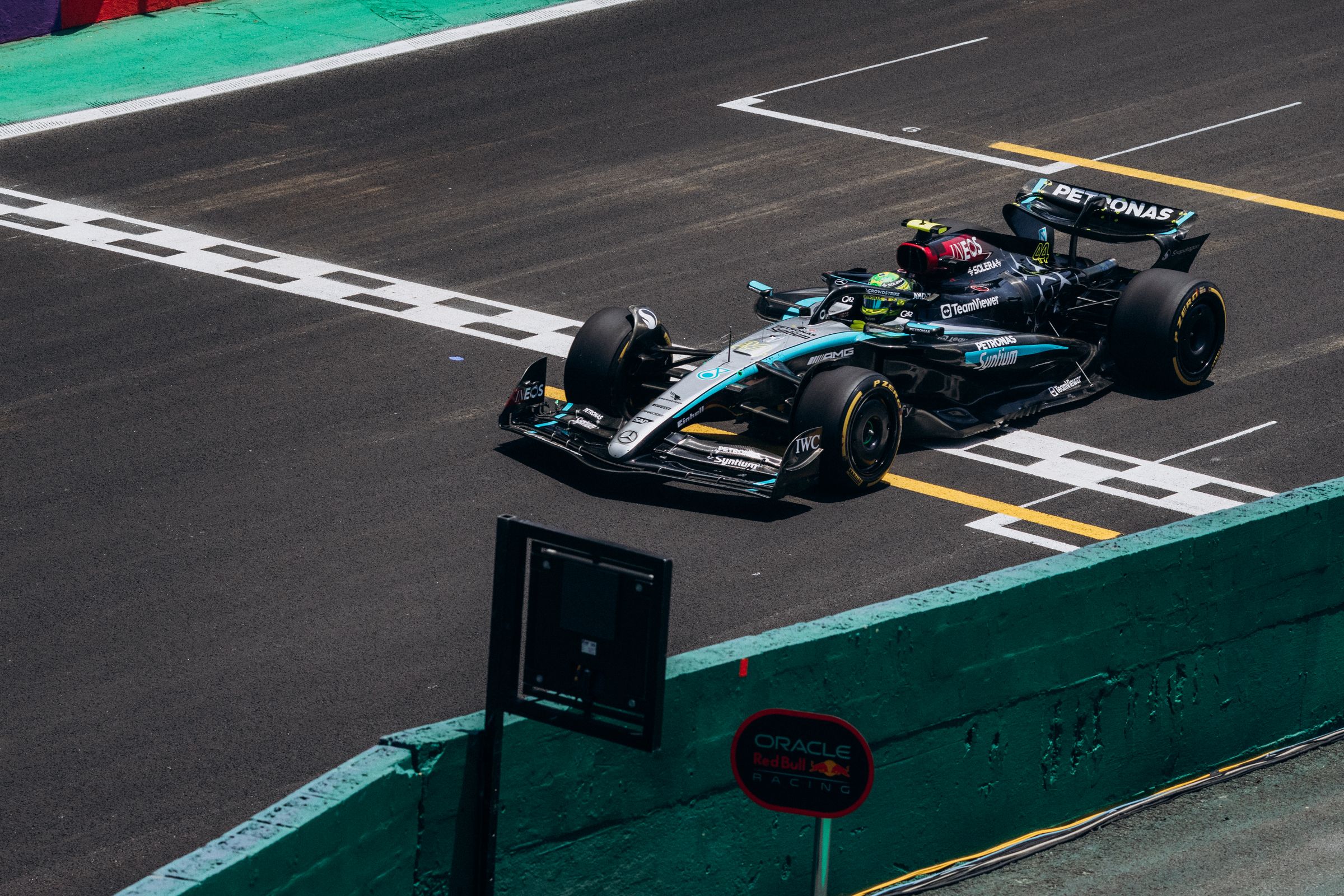
Can South Africa Deliver a Formula One Grand Prix?
A race is only as good as the roads, facilities and business case behind it
South Africa’s bid to bring Formula One back to the continent will be decided not on nostalgia or track record, but on delivery: whether the country can build, finance and operate the infrastructure a Grand Prix demands, and whether that infrastructure keeps working long after the race is over. That is the practical test now facing policymakers as Rwanda moves ahead with a ten-year hosting agreement and South Africa weighs its own options.
Rwanda’s announcement, made public on 13 October 2026 through Formula One and the FIA, sets the benchmark for execution. The proposed circuit at Bugesera, near Kigali, sits inside a wider development that bundles airport infrastructure, tourism and commercial activity into a single programme. The first race is expected only in the early 2030s, once the circuit has been completed. Securing the agreement was the easier step. The harder work of constructing and sustaining the destination is still to come.
South Africa enters this contest with real assets on the ground. Kyalami is an existing motorsport venue with international recognition, and the country has an established tourism industry. But meeting Formula One’s requirements extends well beyond the track itself. Spectator transport, crowd management, hospitality, access roads and operational facilities all form part of the hosting challenge, and each carries its own cost, timeline and delivery risk.
The same principle applies to the alternative under discussion: a new venue in the Western Cape combining a racetrack with hotels, housing and other facilities. Such a development may look attractive on paper, but its commercial success depends on demand beyond an annual Grand Prix. The value of the project must be tested against alternative uses for the same land and capital, and against the practical question of whether year-round activity can actually be sustained at the site.
Meanwhile, the money question is already taking shape. During a Making Sense discussion broadcast on 23 October 2026, Formula One analyst Sasha Martinengo suggested that a government commitment could run to R6 billion or R7 billion over a multiyear arrangement. That figure is his assessment rather than an independently established price for a hosting agreement, but it illustrates the scale of public money potentially at stake. Any proposal involving that level of funding would require a transparent assessment of direct costs, potential benefits and financial risks, with a clear separation between guaranteed contractual expenditure and projected tourism income.
The operational reality of a Grand Prix is substantial. Teams, officials, sponsors, broadcasters and spectators arrive with demands for accommodation, transport, security and services, and local businesses can benefit from that surge. Global television coverage offers exposure that conventional advertising would struggle to replicate. Yet economic activity is not the same as economic return. Visitor spending may reach hotels, restaurants and transport providers without recovering the government’s contribution, and some visitors may displace ordinary tourists. Additional spending on security, public services and infrastructure can further erode the overall gain.
This is where accountability for implementation matters most. A hosting agreement could generate revenue for private businesses while leaving taxpayers exposed to contractual guarantees or unexpected costs. That outcome is not inevitable. Governments frequently support infrastructure and major events where wider benefits exceed the direct financial return, but those benefits must be demonstrated through credible evidence and weighed against other investment priorities.
For South Africa, the useful question is not simply why Rwanda succeeded in securing its agreement. It is whether the country can show that hosting Formula One represents a worthwhile and deliverable investment. That means more than an enthusiastic bid and a persuasive tourism forecast. It requires a published business case, clearly identified funding responsibilities and realistic estimates of both short-term spending and long-term economic value.
Formula One’s return to Africa is a significant opportunity for the continent. Whether South Africa pursues its own race will depend less on motorsport history than on the quality of the deal it can negotiate. The ambition is worth examining. The financial and delivery case must be strong enough to withstand that examination, and until a business case is published, the honest answer to whether South Africa can deliver remains open.
Q&A
What hosting agreement did Rwanda announce and when?
A ten-year Formula One hosting agreement, announced on 13 October 2026 through Formula One and the FIA, with the first race expected only in the early 2030s once the circuit at Bugesera is completed.
What venues is South Africa weighing for a Grand Prix?
Kyalami, an existing motorsport venue with international recognition, or a new Western Cape development combining a racetrack with hotels, housing and other facilities.
What scale of public money is being discussed for a South African bid?
Formula One analyst Sasha Martinengo suggested during a Making Sense discussion on 23 October 2026 that a government commitment could run to R6 billion or R7 billion over a multiyear arrangement, though this is his assessment rather than an established price.
What is still missing before South Africa's delivery question can be answered?
A published business case with clearly identified funding responsibilities, transparent assessment of costs and risks, separation of guaranteed contractual expenditure from projected tourism income, and realistic estimates of short-term spending and long-term economic value.