R6tn fortune could clear SA's service backlogs several times
What $370 billion could build: homes, schools, clinics and factories
A fortune of $370 billion, roughly R6.08 trillion, is now enough to clear South Africa’s entire housing, education, health and infrastructure backlog several times over. That is the scale of Jeff Bezos’s wealth after he climbed back to second place on the global rankings, and measured against the country’s projected 2026 GDP of roughly $480 to $489 billion, his personal holdings amount to about three-quarters of the whole economy.
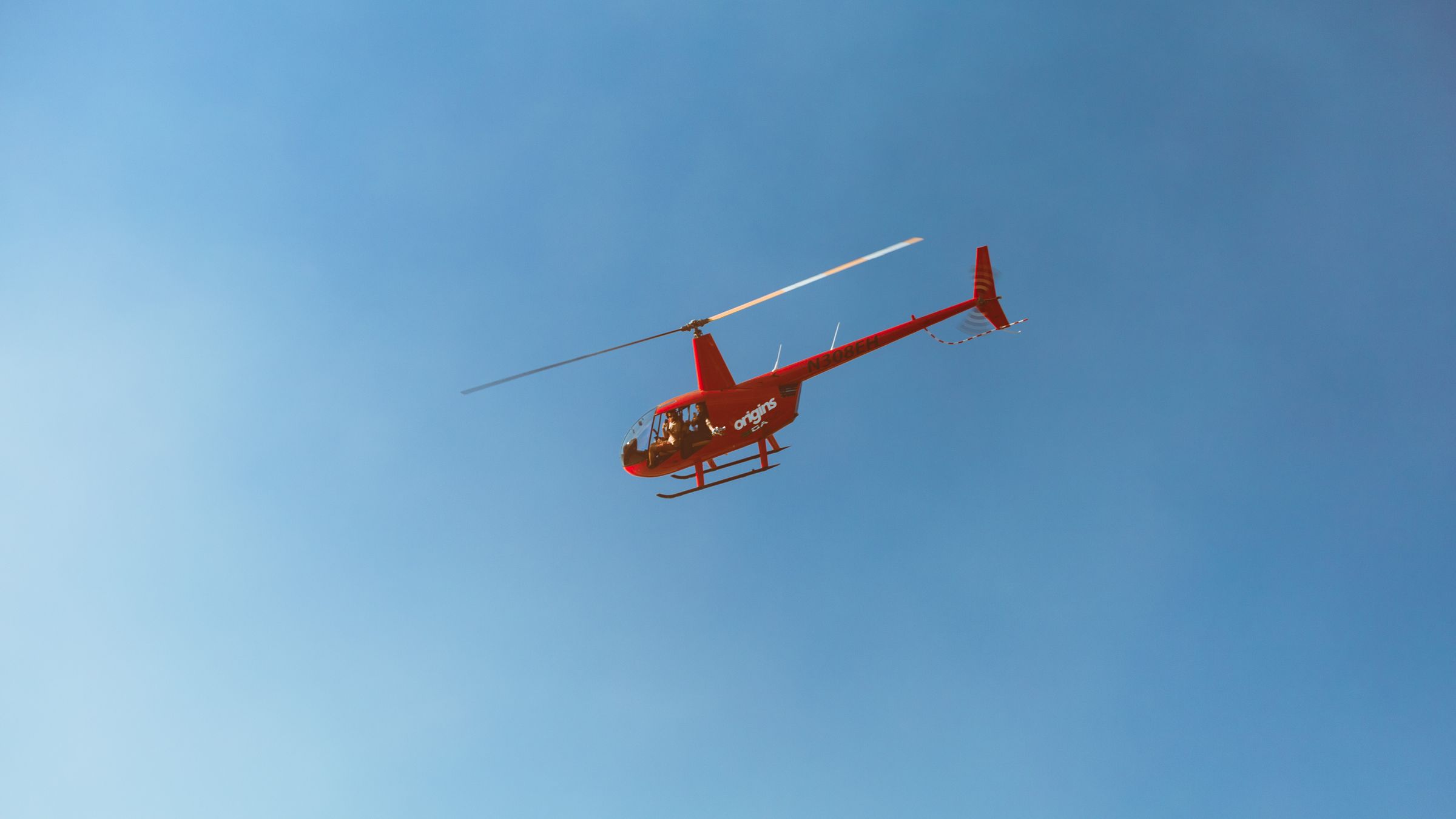
The jump came largely from Blue Origin, the space company he founded and still owns around 93% of. A recent funding round valued the firm at $130 to $140 billion, adding tens of billions to his net worth almost overnight. Bezos has put about $30 billion of his own money into the company, including another $2 billion in that latest round. His industrial AI venture, Prometheus, has also risen in value after a large funding round.
Beyond those ventures, he has taken a minority stake in Liverpool FC as part of a deal valuing the club at more than $7 billion, and he has kept buying property in Florida, with spending there now past $230 million. He remains Amazon’s biggest individual shareholder at around 8% and serves as executive chairman, owns the Washington Post, and has committed large sums to climate work through the Bezos Earth Fund. He has said he plans to give away most of his fortune during his lifetime.
What changed: the practical question is what that money could actually build and deliver on the ground. Using current cost estimates, the picture is striking across nearly every category of public infrastructure.
Housing is the clearest case. At the official subsidy of about R255 364 per RDP house, the fortune could fund roughly 23.8 million homes, many times the current backlog. School construction tells a similar story. Recent projects in Gauteng and the Western Cape have averaged R100 to R125 million per school, meaning the money could deliver more than 50 000 new schools.
Health infrastructure could be transformed on the same scale. At a conservative average of R70 to R80 million per clinic or community health centre, well over 75 000 could be built. Even funding several major hospitals at R1 to R5 billion apiece would leave plenty of the total untouched.
Correctional facilities, often overlooked in delivery debates, are another example. Medium-security centres cost roughly R680 000 to R810 000 per bed, and the Department of Correctional Services has said it needs about 50 000 extra beds at a cost of around R36 billion. The fortune could cover that requirement many times over and still pay for hundreds of additional high-security facilities.
Meanwhile, industrial delivery matters just as much. A medium-sized manufacturing plant of 5 000 to 10 000 square metres typically costs R50 to R100 million, so at an average of R100 million each, about 60 000 factories could be funded. On job creation, using a conservative R300 000 to R500 000 of capital spending per sustainable manufacturing job, the money could support 12 to 20 million jobs, with a single large factory complex capable of creating hundreds of direct jobs and many more in the supply chain.
Everyday infrastructure shows the same arithmetic. Johannesburg figures put the average pothole repair at about R371, meaning the fortune could fix tens of millions of them, clearing the country’s roads many times over and still leaving funding for proper resurfacing. Small to medium park upgrades usually cost R1 to R20 million, enough to rejuvenate or build hundreds of thousands of parks.
Larger projects scale up the same way. South Africa’s land border runs about 5 244 kilometres, and proper fencing and barrier work at R5 to R10 million per kilometre would allow 600 to 1 200 kilometres of high-quality border infrastructure, covering the highest-risk stretches several times over. A new mid-sized international or regional airport is estimated at R8 to R10 billion, which translates into 600 to 760 new or fully modernised commercial airports.
Social infrastructure fits the pattern too. Proper residential drug rehabilitation centres range from about R34 million for smaller facilities to R100 to R150 million for larger ones, so at an average of R50 to R100 million, 60 000 to 120 000 centres could be built. New police stations average around R70 to R75 million each, working out to roughly 80 000 to 85 000 stations. A complete new university campus comes in at R3.2 billion, funding about 1 900 of them. Mid-sized stadium upgrades or new community sports complexes, at R500 million to R1 billion per major venue, would allow tens of thousands of stadiums or sports centres.
Put against national economies, $370 billion sits in the same league as mid-sized countries. It is larger than the GDPs of many African and emerging-market nations, including Nigeria at around $380 to $387 billion, and falls in the same range as Portugal, Peru or Finland. Net worth is a stock of assets while GDP is a yearly flow of production, so the comparison is imperfect. Still, it shows how concentrated wealth has become at the very top. Bezos has said he wants to give most of it away, and if even a portion found its way into housing, factories, clinics, schools, jobs and everyday infrastructure in South Africa, the delivery impact would be hard to overstate. Whether any of it ever reaches those projects, of course, remains the open question.
Q&A
How large is Jeff Bezos's fortune and what drove the recent jump?
About $370 billion, roughly R6.08 trillion, after Blue Origin's recent funding round valued the space firm at $130 to $140 billion.
How many RDP houses could the fortune fund?
At the official subsidy of about R255 364 per RDP house, roughly 23.8 million homes, many times the current backlog.
What does the Department of Correctional Services say it needs?
About 50 000 extra beds at a cost of around R36 billion, which the fortune could cover many times over.
How many manufacturing jobs could the capital spending support?
At R300 000 to R500 000 of capital spending per sustainable manufacturing job, the money could support 12 to 20 million jobs.