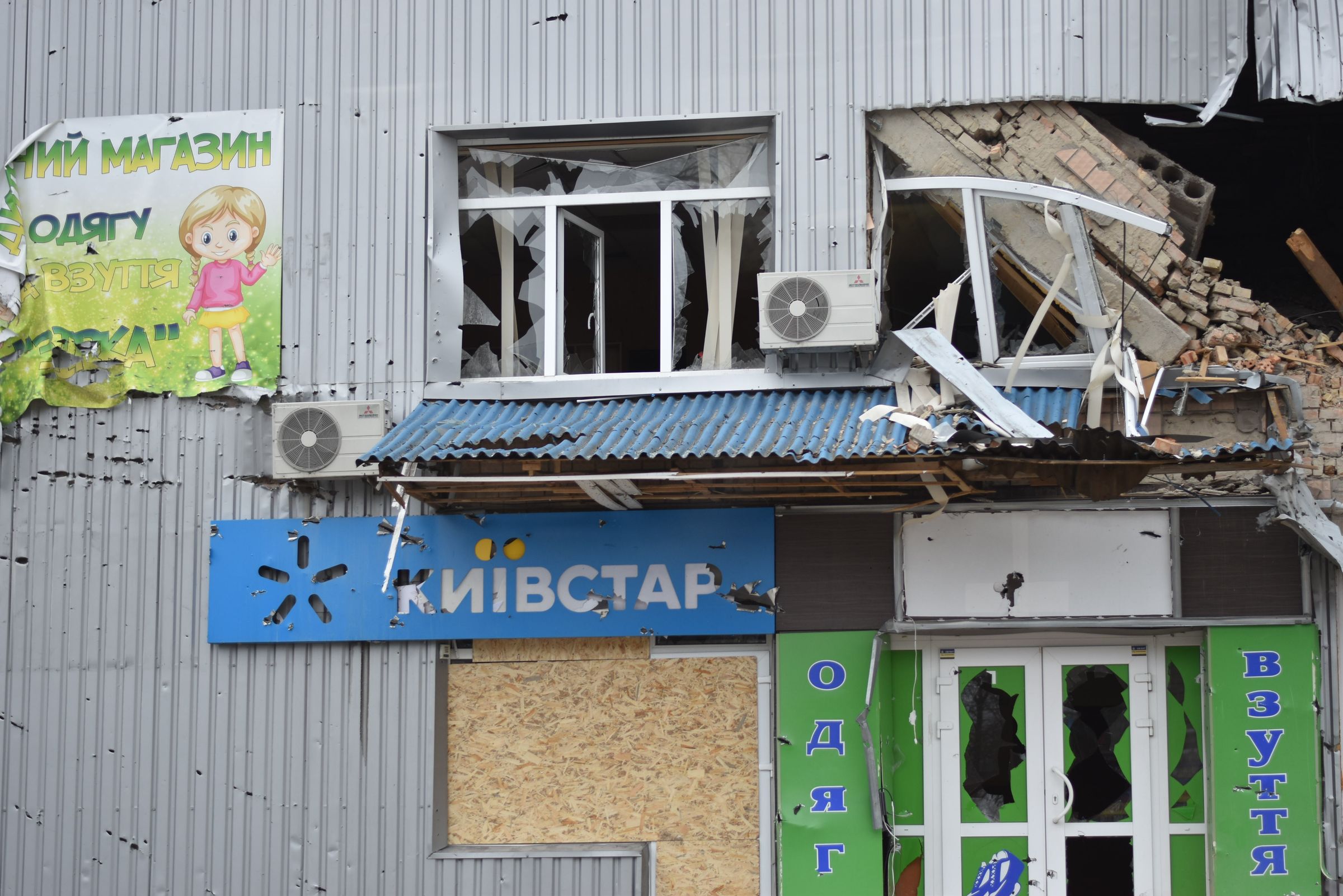
France unrest: 1 500 shops looted as protests hit economy
Cost-of-living riots damage businesses and disrupt daily life in France
An estimated 1 500 shops and businesses have been looted or destroyed across France as cost-of-living protests take a measurable economic toll, and the disruption has now reached into the classroom of a South African author living in Nantes.
Marion Erskine (50), originally from Westonaria in Gauteng, has watched fires and looting unfold as unrest over rising living costs and public services disrupts daily life. He left South Africa in 2002. Since then he has lived in the United States, Taiwan and the UAE, moving to France in 2023. He is currently studying French in Nantes, and the unrest has forced his university classes to be suspended ahead of upcoming examinations.
According to a BBC report, peaceful demonstrations on Saturday turned violent after groups of masked activists and vandals infiltrated the crowds. Police responded with tear gas, water cannons and batons to disperse rioters. France’s interior ministry said about 1 000 police officers were injured during the clashes, including seven seriously. Historical landmarks were also damaged, among them the Limoges Town Hall, and authorities have imposed overnight curfews in parts of central Paris and other cities.
For Erskine, the economic strain behind the protests is visible on the ground. “From my perspective, life has become very expensive,” he says. “It is a worldwide situation. Petrol prices have increased drastically around the world because of the situation in the Middle East right now, which was not caused by South Africa or France, but we are all suffering. The prices of goods are high and people are struggling.”
He adds that although public education in France is free, teacher absences and ageing school furniture affect pupils. “The students feel like they are being left behind.”
Meanwhile, Erskine draws a distinction between the demonstrators and those causing the destruction. While most people are protesting respectfully to demand better opportunities, he says, some are hijacking the situation and are “breaking, burning and looting”. “It is not the normal students who are doing this.”
He believes French authorities are trying to manage the unrest. “For every action, there is a reaction,” he says. “You have these young rioters who throw bricks at the police, and the police respond by shooting tear gas at them, the same as you see in every other country.”
The closures have personal consequences for Erskine, who took a sabbatical year to improve his French. “Living here without speaking the language fluently is very difficult,” he says. “It also affects looking for the right type of job. I have until December 3 to complete classes for my French diploma.”
International students in his class, including refugees from Iran and Ukraine, have also been affected. He explains that they have struggled to attend classes or access online learning materials because of building closures and limited internet access at their accommodation.
Erskine says his South African background gives him perspective on hardship, but he is careful not to dismiss French grievances. “When I hear the average French person talking, it feels to me like they are complaining with a white baguette under their arm, but I realise that this is their reality and their hurt,” he says. “I, as a South African, cannot tell them they do not know what real suffering is. For them, this is very painful, and that is important to understand.”
Despite the disruptions, he says he feels safe. “We are just vigilant, following orders, and avoiding dangerous areas.”
He believes the unrest has left many French people unsettled. “The average person is sad; it’s not the France that they built and the France that they knew.” Whether his classes resume in time for his December 3 diploma deadline remains the open question that now matters most to him.
Q&A
How many shops and businesses were affected by the unrest in France?
An estimated 1 500 shops and businesses were looted or destroyed across France during the cost-of-living protests.
What did France's interior ministry report about police casualties?
The interior ministry said about 1 000 police officers were injured during the clashes, including seven seriously.
How has the unrest affected Marion Erskine's studies in Nantes?
His university classes were suspended ahead of upcoming examinations, and he has until December 3 to complete classes for his French diploma.
Which other groups of students were affected by the closures?
International students in his class, including refugees from Iran and Ukraine, struggled to attend classes or access online learning materials because of building closures and limited internet access at their accommodation.