Africa's $100 Billion Food Import Bill Drives Russia Push
Moscow summit session pitches Russian capital and technology for African agro-industrial growth
A $100 billion annual food import bill set the agenda in Moscow, where African Union Chairperson Mahmoud Ali Youssouf called for a deeper commercial and technological partnership between the continent and Russia’s agricultural sector.
Speaking at a high-level event on the margins of the third Russia-Africa Summit, Youssouf argued that what Africa spends each year on staples such as rice, maize, wheat and edible oils represents an economic imbalance that structural reform could correct. The session, titled “Russia-Africa Agro-Industrial Alliance: Meeting the Challenges Together”, was organised in partnership with the Russian Association of Fertiliser Producers, putting fertiliser supply and agribusiness investment at the centre of the discussion.
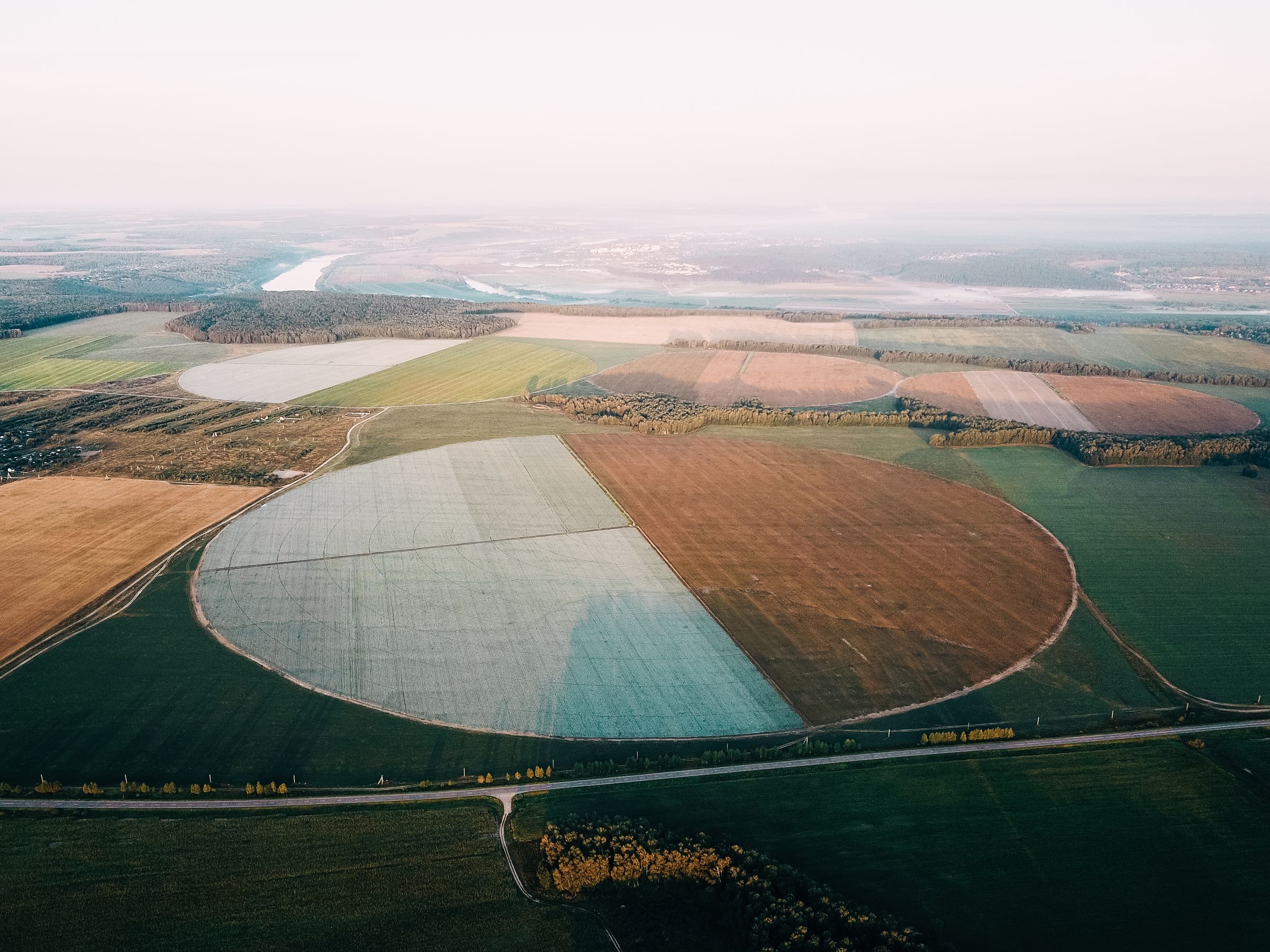
The economics behind the appeal are stark. Only 6% of Africa’s arable land is irrigated, leaving production heavily exposed to shifting rainfall, drought and other climate-related shocks. Youssouf pointed to the paradox of a continent with extensive arable land and significant water resources that nonetheless underuses its agricultural potential. Closing that gap, he said, requires expanding irrigation infrastructure, improving access to fertilisers and strengthening domestic production, alongside sustained investment in agricultural research, technology transfer and skills development to lift productivity and cut reliance on imported food.
For investors and operators, the value-chain argument carried particular weight. Developing regional and national value chains, Youssouf suggested, would let African economies process more agricultural products locally, raising domestic food supplies and creating jobs while retaining a greater share of value within African economies. Higher domestic production would improve food security, reduce exposure to international supply disruptions and lower the cost of importing essential products, effects that speak directly to import bills, foreign exchange pressure and market stability.
Russia’s role, in this framing, is investor and technology partner. Youssouf said the country could contribute to Africa’s agricultural transformation through investment, cooperation and the transfer of technology and technical expertise. Stronger engagement with Russian businesses and agricultural companies, he argued, could help develop farming infrastructure and improve local productive capacity, while offering Russian firms a larger stake in a continent where demand for fertiliser, equipment and agronomic know-how continues to outpace local supply.
Still, the AU Chairperson set clear conditions. Cooperation, he stressed, should support Africa’s ability to build sustainable domestic industries rather than deepen external dependence. The continent, he said, should draw on its natural resources, agricultural land and human capacity to produce more food and keep greater value at home, a signal to prospective partners that African governments want returns shared with local economies, not a new cycle of reliance.
The underlying logic of the Moscow appeal is that sustainable food security ultimately depends on Africa developing agricultural systems capable of supplying domestic markets and supporting regional trade. For market watchers, the summit session served as both an investment pitch and a policy statement: capital and expertise are welcome, but on terms that leave African producers, processors and economies holding more of the value they create. Whether Russian investors move to fill that gap, and on what terms, may prove the real test of the alliance.
Q&A
What economic figure anchored the Moscow appeal?
Africa's $100 billion annual food import bill, spent on staples such as rice, maize, wheat and edible oils, which the AU Chairperson described as an economic imbalance that structural reform could correct.
Who organised the session and what was its focus?
The session, titled 'Russia-Africa Agro-Industrial Alliance: Meeting the Challenges Together', was held on the margins of the third Russia-Africa Summit and organised in partnership with the Russian Association of Fertiliser Producers, putting fertiliser supply and agribusiness investment at the centre.
What role was Russia asked to play?
Russia was framed as an investor and technology partner, able to contribute through investment, cooperation and transfer of technology and technical expertise, with Russian firms gaining a larger stake where demand for fertiliser, equipment and agronomic know-how outpaces local supply.
What conditions did the AU Chairperson attach to cooperation?
Cooperation should support Africa's ability to build sustainable domestic industries rather than deepen external dependence, drawing on natural resources, agricultural land and human capacity so returns are shared with local economies and greater value is kept at home.