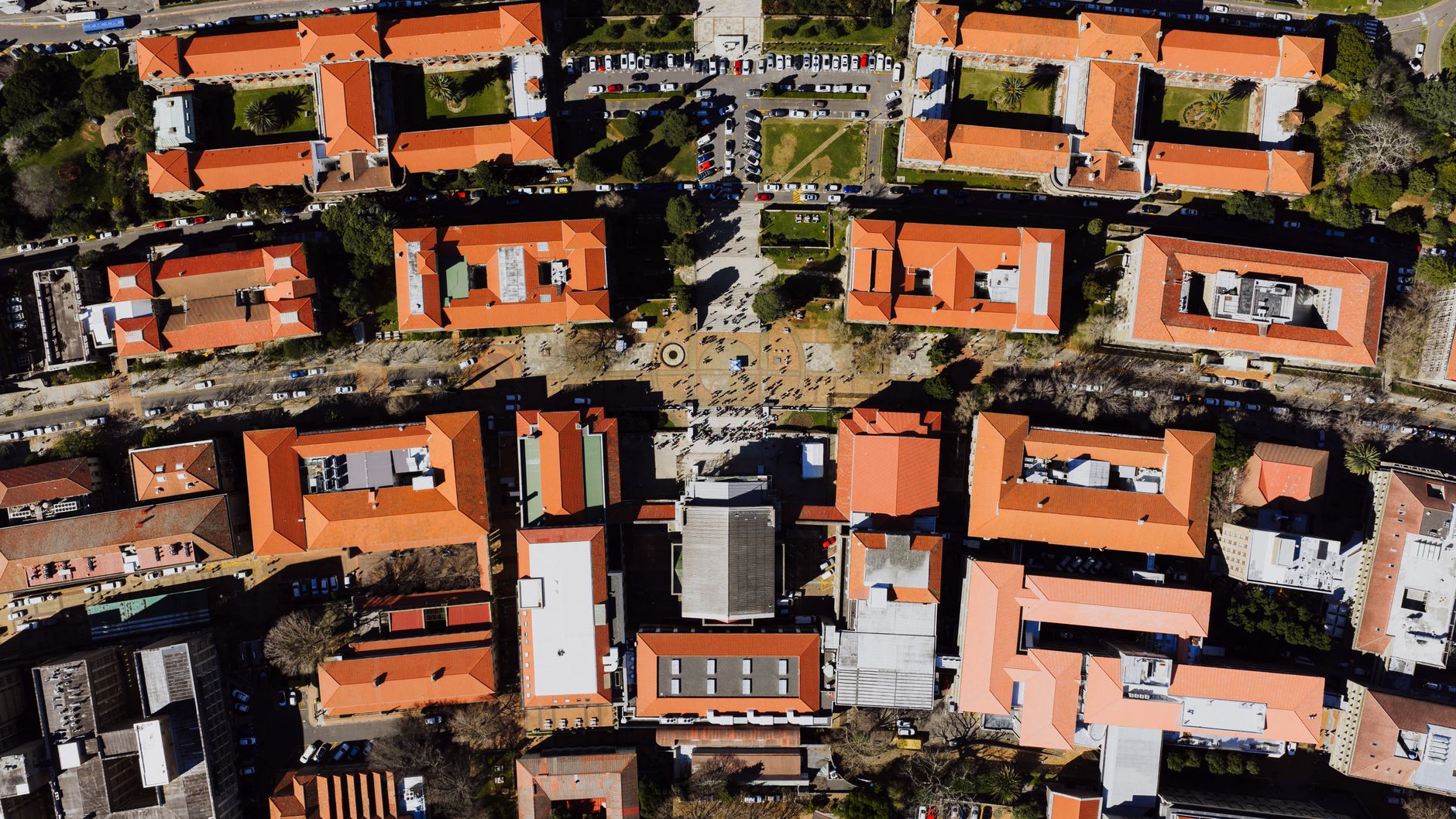
Global Higher Education Summit Opens at UCT, Putting Governance Choices in the Spotlight
Vice-Chancellor Mosa Moshabela frames the event as a platform for policy influence and African representation
The Times Higher Education World Academic Summit opened at the University of Cape Town on 29 September, placing the institution, and its governance choices, at the centre of a global debate about the rules and priorities shaping higher education. The gathering draws university leaders, policymakers, industry representatives, civil society and student leaders from around the world. For Vice-Chancellor Professor Mosa Moshabela, the summit’s value lies not in prestige but in the policy influence it can generate.
UCT holds the position of Africa’s top-ranked university according to Times Higher Education, a ranking that makes the institution’s relationship with the global rankings body strategically significant. Moshabela, however, has framed UCT’s leadership role in terms of responsibility rather than status. “It’s one thing being a leader on the continent on paper because of rankings from Times Higher Education, but it’s another thing being a leader in terms of creating platforms and space for others on the continent to partake in that space,” he said.
Hosting the summit, in his view, lets UCT exercise what he calls its “convening power”: deploying international standing and networks to ensure African and Global South perspectives are represented in discussions that will shape how universities operate. “We see that as a privilege,” he said. The longer-term goal is to transfer that capability to other institutions. “We can share these lessons with them,” he said. “They can also host major events. We can partner with them and work with them for them to do this.”
What changed with this summit is the scope of its agenda. Its theme, knowledge and higher education in the “age of intelligence”, puts artificial intelligence at the centre of discussions, alongside innovation, entrepreneurship, geopolitics, migration, academic mobility and the shifting relationship between universities and society. Moshabela argues universities must move beyond their traditional mandates. “The fourth-generation university has to now add innovation and entrepreneurship as a core mission of what a university does,” he said. He called the summit a rare concentration of decision-makers with authority to act on that shift. “It’s not every day that you will have the many university leaders in one room.”
Migration policy featured prominently in his remarks. He warned that restrictions on the movement of students and academics threaten institutions’ ability to attract and retain talent and to participate in international academic networks. “If our academics or our students struggle with movement, not just here on the continent, but across the world, it can threaten the future of our universities,” he said. “So, the World Academic Summit needs to create that space to benefit long-term decisions and interventions in response to some of the challenges we face.” He said the event brings university leaders, policymakers and diplomatic representatives into the same room to confront these issues, with potential to shape future policy.
The summit’s institutional reach extends past the campus gates. Moshabela credited UCT’s partnership with the City of Cape Town, along with hotels, tourism companies and event organisers, for making the gathering possible. “There is a lot of support. So, we are contributing a lot to the economy of the Western Cape in doing so,” he said. International delegates travelling to the city are expected to benefit local hospitality and tourism sectors, while demonstrating the province’s capacity for large gatherings. “There will be more events that are coming to UCT and to Cape Town,” he said.
Partnerships formed on the sidelines may prove the summit’s most lasting outcome. University leaders from across the globe, in one venue, create openings for research collaborations, student exchanges and institutional agreements. Moshabela urged delegates to use those openings. “If they have, for example, considered forming partnerships with certain institutions, whether it be in Colombia, be it in Kazakhstan, be it in China or Japan or on the continent, they will have an opportunity to meet, greet and connect with those leaders,” he said. He described such ties as social capital that can broaden universities’ impact on society. UCT’s own partnership with the University of Bristol, co-host of the summit, illustrates that potential.
UCT says it is working to extend the summit’s reach beyond delegates present in person, though not every session will be open to a wider audience. The institution’s stated measure of success: stronger partnerships, greater visibility for African universities, more opportunities to host global events, and a stronger continental voice in decisions about the future of higher education. Whether those commitments translate into concrete policy outcomes, once the delegates disperse, remains the open question.
Q&A
How does UCT's Vice-Chancellor frame the university's role as Africa's top-ranked institution?
Professor Mosa Moshabela, UCT's Vice-Chancellor, frames leadership as responsibility rather than status, using the university's convening power to ensure African and Global South perspectives shape decisions about how universities operate.
What is the summit's theme and what issues does it cover?
The theme is knowledge and higher education in the 'age of intelligence', placing artificial intelligence alongside innovation, entrepreneurship, geopolitics, migration, academic mobility and the changing relationship between universities and society.
Why does Moshabela see migration policy as a threat to universities?
He warned that restrictions on the movement of students and academics threaten institutions' ability to attract and retain talent and to participate in international academic networks, and urged long-term decisions and interventions in response.
What does UCT say will measure the summit's success?
UCT cites stronger partnerships, greater visibility for African universities, more opportunities to host global events, and a stronger continental voice in decisions about the future of higher education.