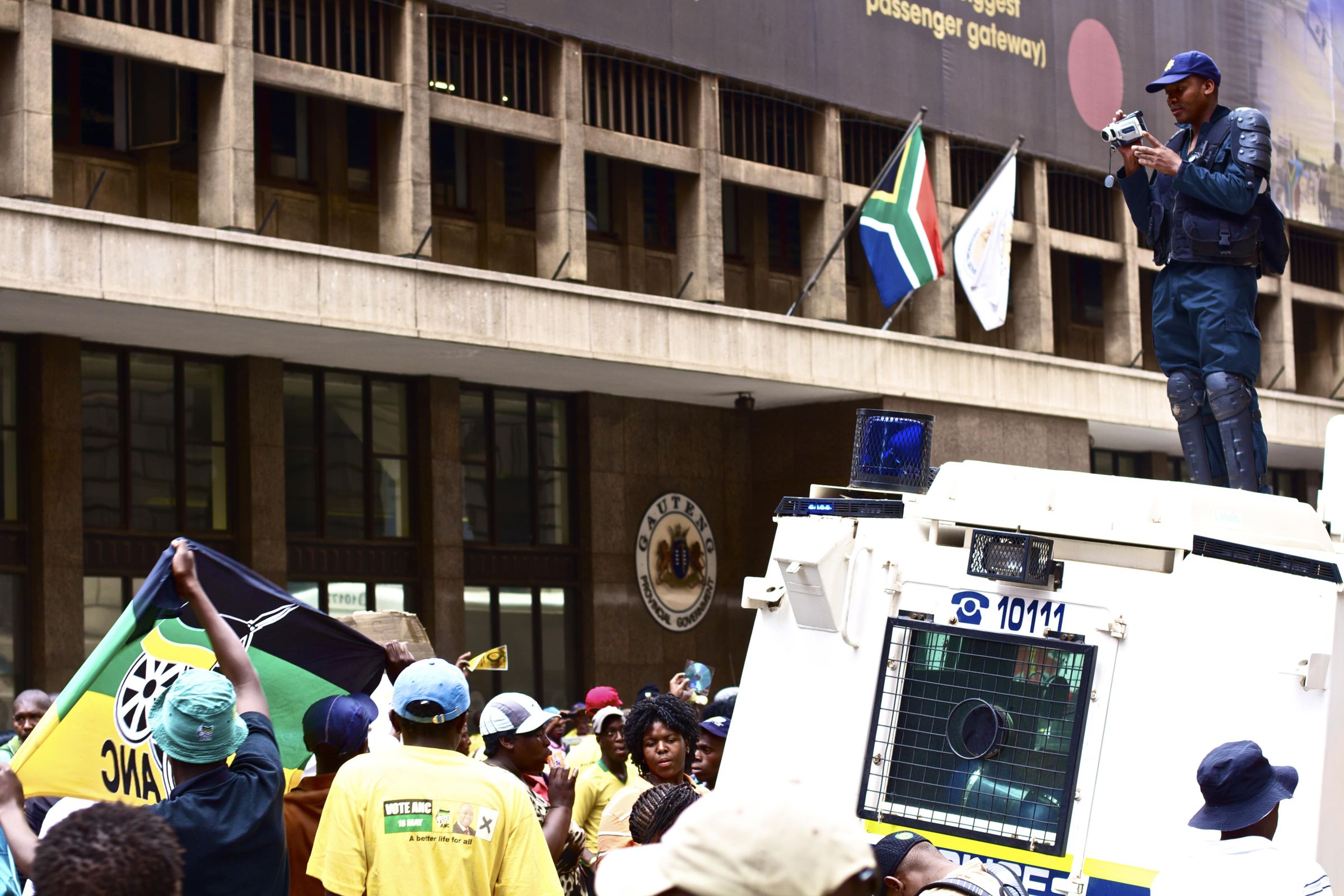
Blackouts and dry taps drive ANC to historic poll low
Voters punished the ANC over years of failing water and electricity services
In Durban’s portside neighbourhoods and the townships around it, residents have spent years planning their days around taps that run dry and lights that cut out without warning. When South Africans voted this week, those daily frustrations followed them into the booth. Municipal elections held Wednesday, dominated by anger over failing water and power supplies, delivered the African National Congress its weakest showing ever. The party that has governed since apartheid’s end in 1994 drew support from just over 31 percent of voters, according to the election authority dashboard after 90 percent of ballots had been declared.
For the families who depend on municipalities for water, electricity and refuse collection, the numbers capture a widening gap between political promise and daily reality. Support for the ANC has fallen from nearly 70 percent in the 2004 national elections, a decline driven by disillusionment over corruption, mismanagement and high unemployment, while splinter parties have steadily eaten away at its traditional base. The party had already slipped to just over 40 percent at the 2024 national polls and 46 percent at the last municipal elections in 2021.
“This is the most severe result that the ANC would have feared,” political analyst Daniel Silke told AFP. “It’s the ANC’s worst result in history.”
Silke warned that the result would weaken the party’s ability to exert authority across the country, not only locally but nationally as well, and he noted that opposition parties will be “smelling blood” ahead of the next general election in 2029. The vote is widely read as a measure of voter sentiment, and of whether frustrations with failing local government are reshaping political loyalties. That question matters directly to residents who rely on councils to keep the taps running.
ANC representative Nomvula Mokonyane, asked by reporters about the result, pushed back on any suggestion of decline. “We do not believe that we must see ourselves as a party that will disappear in the struggles of our people,” she said, adding that the outcome “gives us an opportunity to repackage and renew the ANC.”
Behind the ANC, the pro-business, centre-right Democratic Alliance stood second with just over 24 percent, up from nearly 22 percent in 2021. The party was set to keep control of the tourism hub of Cape Town and was ahead in the contest for Johannesburg, the financial capital where it campaigned vigorously under former leader Helen Zille. DA leader Geordin Hill-Lewis told reporters that with the election’s “cut and thrust” now over, it was time to put together governments that can actually fix these towns and cities, noting that his party had already reached out to many parties over the previous 24 hours.
Third place went to uMkhonto weSizwe, the breakaway opposition party founded by former president Jacob Zuma and contesting local elections for the first time, with just over nine percent. It was leading in the eThekwini metropolitan municipality, which includes Durban, in KwaZulu-Natal province, Zuma’s Zulu homeland.
Because outright majorities look unlikely in several major cities, the results will trigger complex coalition bargaining as parties negotiate the alliances needed to govern. That matters for residents who have already waited years for reliable services. Meanwhile, the country’s political landscape has grown increasingly fragmented, with more than 500 parties registered nationally, and analyst Sanet Solomon, a university lecturer, said the emergence of parties such as the MKP is a key reason the ANC is losing votes. Yet political science professor Amanda Gouws cautioned that smaller parties have been part of coalitions that were quite unstable in the past, and that this is not going to improve service delivery, the very failure that drove voters’ anger in the first place.
Full final results are expected by Sunday. Whether the new coalitions can finally deliver the water and power that Durban’s residents have waited years for remains the open question. Further coverage of the results is available at https://citizen.digital/article/south-africas-anc-heads-to-all-time-election-low-with-a-third-of-vote-n393468.
Q&A
How did Wednesday's municipal elections affect residents of Durban's portside neighbourhoods and townships?
Residents who have spent years planning their days around dry taps and sudden power cuts saw their frustrations reflected in the vote, which was dominated by anger over failing water and power supplies. The results will now trigger coalition bargaining in several major cities, an added layer of uncertainty for people who have already waited years for reliable services.
What share of the vote did the ANC receive, and how does it compare historically?
The ANC drew just over 31 percent according to the election authority dashboard after 90 percent of ballots were declared, its weakest showing ever. Support has fallen from nearly 70 percent in the 2004 national elections, to just over 40 percent at the 2024 national polls and 46 percent at the 2021 municipal elections.
Which opposition parties performed well, and where?
The Democratic Alliance came second with just over 24 percent, up from nearly 22 percent in 2021, set to keep control of Cape Town and ahead in Johannesburg, where it campaigned under former leader Helen Zille. uMkhonto weSizwe, founded by former president Jacob Zuma, took third with just over nine percent and was leading in the eThekwini metropolitan municipality, which includes Durban, in KwaZulu-Natal.
What do analysts say the results mean for service delivery?
Political analyst Daniel Silke called it the ANC's worst result in history and said it would weaken the party's authority nationally as well as locally, with opposition parties smelling blood ahead of the 2029 general election. Professor Amanda Gouws cautioned that smaller parties have formed quite unstable coalitions in the past, which will not improve service delivery, the failure that drove voters' anger in the first place.