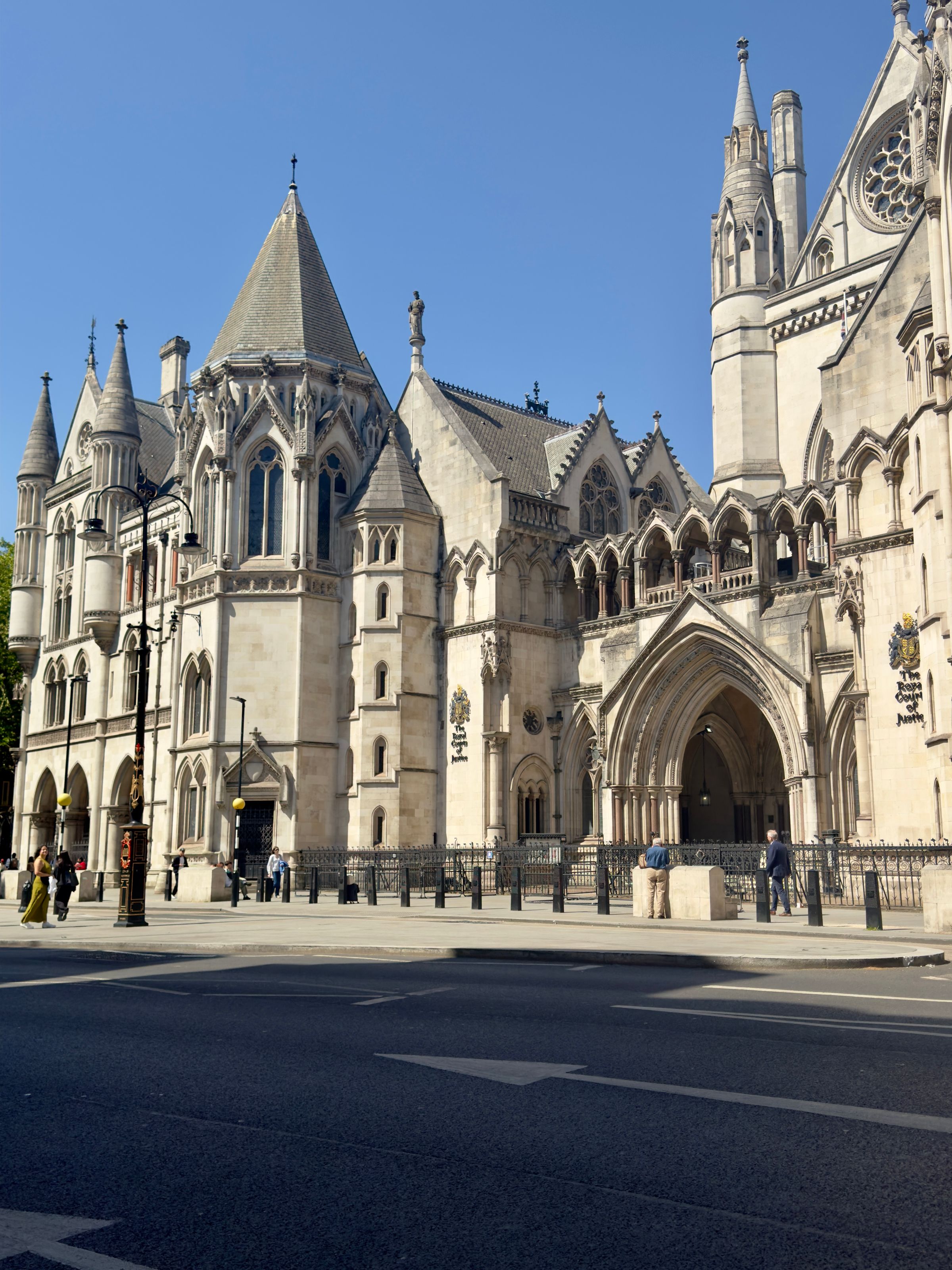
A missed flight on 20 October 2025 set the machinery of the 1980 Hague Child Abduction Convention in motion, and within days the mother had applied for her son’s return to South Africa. The process ran on a clear timeline: a High Court return order on 24 February 2026, followed by two appeals, both dismissed by the Court of Appeal on 30 April 2026, leaving the order standing.
The sequence began on 15 October 2025, when the boy, identified in the judgment as X, travelled from South Africa, where he lived with his mother, to spend five days with his father in England during his school half-term holiday. He was due to fly back on 20 October 2025. He did not board. Shortly before the scheduled departure, his father wrote to the mother informing her that X would not be returning. Three days later, on 23 October 2025, the mother filed her application under the Convention.
The case carried a longer procedural history behind it. The mother had been given permission to relocate to South Africa with X in 2018. In January 2025, his father began proceedings in the South African courts seeking an order that X live with him in England. As part of those proceedings, a clinical psychologist was commissioned to assess the family. Her report, dated 23 June 2025 and running to 159 pages, involved extensive inquiries, including travel to England and interviews with a significant number of people. It contained a detailed analysis and reached several conclusions about the family, some of which were later considered by the UK court.
Central to that report was an assessment of the father’s parenting style and behaviour. It presented a strong criticism of his approach, which the judge described as a “blistering critique”. The father disputed the findings. He submitted several documents challenging the report’s accuracy, including witness statements from seven people interviewed by the psychologist who claimed she had misrepresented or inaccurately recorded what they said. He also submitted an evaluation by another clinical psychologist, who reviewed the June 2025 report and raised criticisms and concerns about its contents.
At the High Court, the father opposed a return order, relying on X’s objections and on Article 13(b), broadly on security concerns and the alleged risk of crime in South Africa. The parties accepted that X objected to returning and was sufficiently mature for his views to be properly considered. The judge rejected the Article 13(b) defence but still had to decide whether to exercise discretion to order a return. He concluded that the father’s concerns fell short of the required threshold, and examined the strength and authenticity of X’s objections, including whether they reflected the teenager’s own views or had been influenced by his father. On 24 February 2026, the judge ordered that X, by then 14, be returned to South Africa.
Both the father and X appealed. X argued that the judge had carried out a flawed assessment and had not properly considered the impact of returning him against his wishes; his appeal also challenged a case management decision and the reliance on the psychological report prepared for the South African proceedings. The father argued that the judge had given insufficient consideration to X’s objections and had wrongly treated them as the product of paternal influence. He disputed the handling of the evidence, including the psychologist’s report, and said the judge had not adequately considered X’s welfare. He maintained that X wanted to remain in England and raised concerns about the risks of returning him to South Africa.
The Court of Appeal worked through each challenge in turn. It found that the judge had considered X’s objections and explained why he regarded them as significantly influenced by his father. It held that the judge was entitled to rely on the June 2025 psychological report and to reject the guardian’s recommendation against a return order. The appeal court concluded that the judge had balanced the possible consequences of making and not making the order, and that the evidence did not establish a grave risk of psychological harm or an intolerable situation in South Africa. It found convincing evidence of a carefully planned abduction in this particular case. Lord Justices Newey and Dove agreed with Lord Justice Moylan, and both appeals were dismissed, leaving the return order in place.
What remains open is the practical question of how and when the return to South Africa will be carried out, a step the judgment itself does not settle.
This article is based on the Court of Appeal judgment in Re X (A Child), delivered on 30 April 2026. The claims, arguments and findings mentioned are reported as recorded in the court judgment.