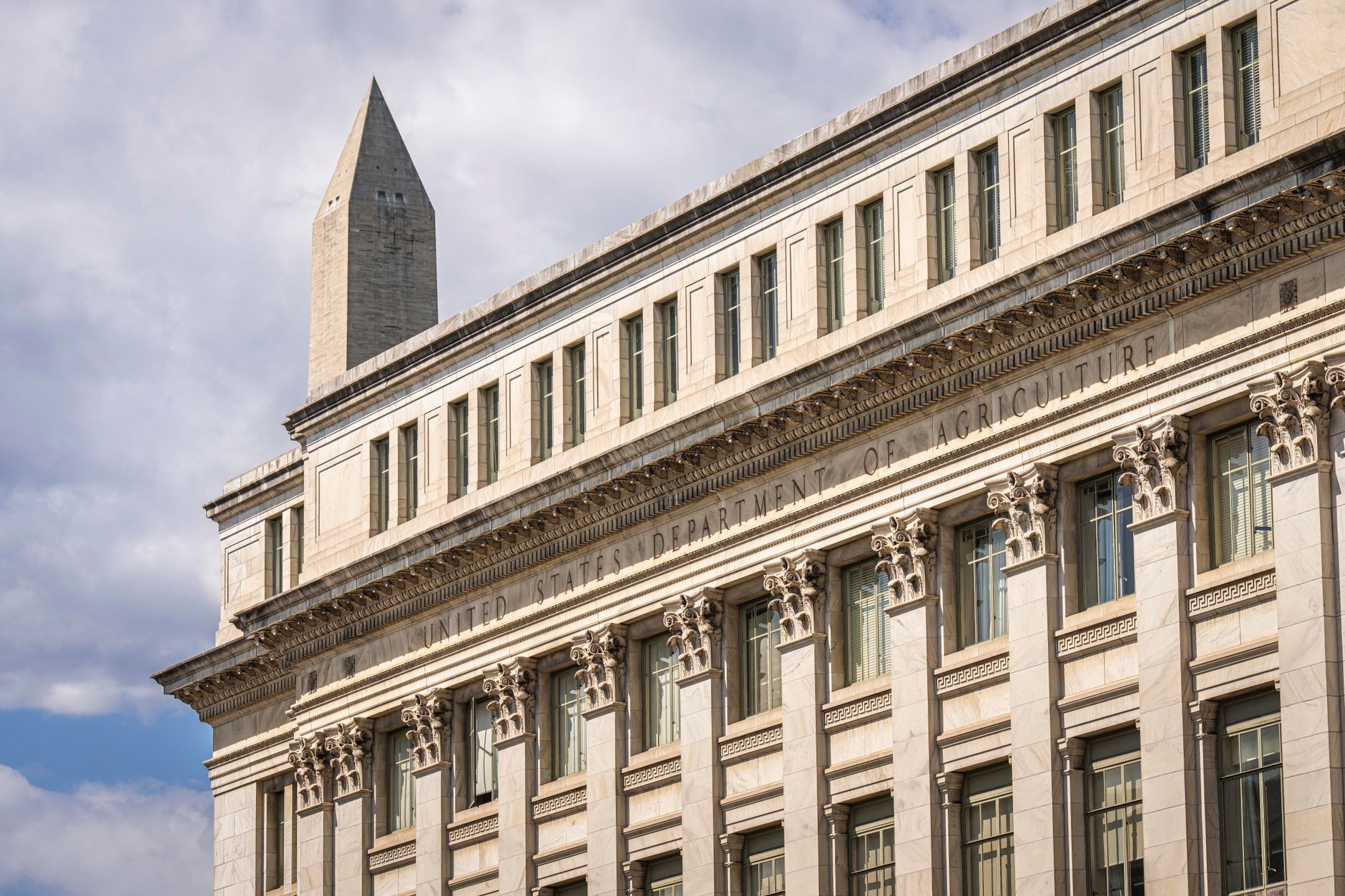
State Department imposes visa curbs on South Africa over alleged racial discrimination pol
U.S. imposes visa restrictions on South Africans over governance and discrimination allegations
WASHINGTON - Secretary of State Marco Rubio announced visa restrictions Tuesday evening targeting South Africans he characterizes as perpetrators of “government-sponsored discrimination” against Afrikaners and other minority populations. The State Department’s move represents a sharp escalation in diplomatic tension between Washington and Pretoria, framed explicitly around allegations of racial bias in South African governance.
Rubio’s statement specified that restrictions would focus on individuals responsible for what he termed “race-based discriminatory legislation, threats of land expropriation without compensation, and incitement of racial violence through dehumanising chants and slogans.” The announcement identified no specific South African officials subject to the penalties. No individuals were named.
Additional reference context is available at https://www.moneyweb.co.za/news/south-africa/rubio-assails-south-africa-with-visa-restrictions-on-bias-claims/.
The Secretary’s position echoes rhetoric long advanced by President Donald Trump, who has repeatedly claimed South Africa systematically discriminates against the White Afrikaner minority. Trump has been particularly vocal about a 2025 South African law, also referenced by Rubio, that would expand government authority to expropriate private property in certain limited circumstances without compensation. Trump has characterized such policies as discriminatory and has previously made unsubstantiated claims about genocide targeting White farmers.
Following his return to office, Trump moved quickly to signal displeasure with Pretoria. He offered Afrikaners refugee status, suspended American assistance to the country, and expelled Ambassador Ebrahim Rasool after Rasool characterized Trump supporters as part of a “supremacist movement.” Rubio’s statement reiterated the administration’s position directly: “We once again strongly urge the South African government to quickly address these egregious actions.”
Meanwhile, South African President Cyril Ramaphosa has disputed the characterization of his government’s policies, arguing that initiatives designed to advance the economic interests of the Black majority have been misinterpreted by external observers. Pretoria has taken concrete diplomatic steps to address the deteriorating relationship. Earlier this year, Ramaphosa appointed Roelf Meyer as the country’s ambassador to the United States. Meyer, a prominent White Afrikaner who helped negotiate South Africa’s transition from apartheid and later served in Nelson Mandela’s cabinet, was chosen explicitly to rebuild bilateral relations and improve communication between the two governments.
The policy’s operational details remain conspicuously thin. The absence of named targets or specific officials in Rubio’s statement leaves the scope and implementation of the restrictions unclear, raising immediate questions about what criteria will determine eligibility for visa denial and which South African decision-makers fall within the measure’s reach. Attempts to reach the South African Embassy in Washington and the country’s consulate in New York on Tuesday evening for comment were unsuccessful.
How the State Department intends to enforce restrictions with no named targets, and whether Pretoria’s diplomatic overtures through Ambassador Meyer can slow the deterioration, are questions neither government has yet answered.
Q&A
What specific allegations did Secretary of State Marco Rubio cite when announcing the visa restrictions?
Rubio cited race-based discriminatory legislation, threats of land expropriation without compensation, and incitement of racial violence through dehumanizing chants and slogans.
Did the State Department identify specific South African officials subject to the visa restrictions?
No. The announcement identified no specific South African officials and named no individuals subject to the penalties.
How has the Trump administration pressured South Africa beyond the visa restrictions?
The administration offered Afrikaners refugee status, suspended American assistance to South Africa, and expelled Ambassador Ebrahim Rasool after he characterized Trump supporters as part of a supremacist movement.
What diplomatic steps has South Africa taken to address the deteriorating relationship with the United States?
South African President Cyril Ramaphosa appointed Roelf Meyer, a prominent White Afrikaner and apartheid transition negotiator, as ambassador to the United States explicitly to rebuild bilateral relations and improve communication between the two governments.